


How to Find a Good Real Estate Developer
Finding the right real esate developer can mean the difference between a project that transforms a property and one that stalls before it starts.
Whether you own a single vacant lot or a multi-acre parcel, the developer you choose will shape every aspect of the outcome — from what gets built to how smoothly the process unfolds. Here’s what to look for and how to make the right choice.
Start With Local Expertise
Land development is inherently local. Zoning bylaws, wetlands regulations, septic requirements and permitting processes differ from one Massachusetts town to the next — and what works in one community may not fly in another. A developer who knows the Massachusetts landscape understands these nuances before the first meeting with a planning board.
Look for a developer with a team (discuss) with a proven history in the specific towns and regions where your property is located. Do they know the local conservation commission? Have they worked with the planning board before? Are they familiar with the engineering firms, surveyors and utility providers in the area? These aren’t small details. They’re the factors that determine whether a project moves forward efficiently or gets bogged down in avoidable delays.
Look at Their Track Record
Past projects tell you everything you need to know about a developer’s capabilities. Before hiring anyone, ask to see completed developments — not just renderings or proposals, but finished communities where people actually live.
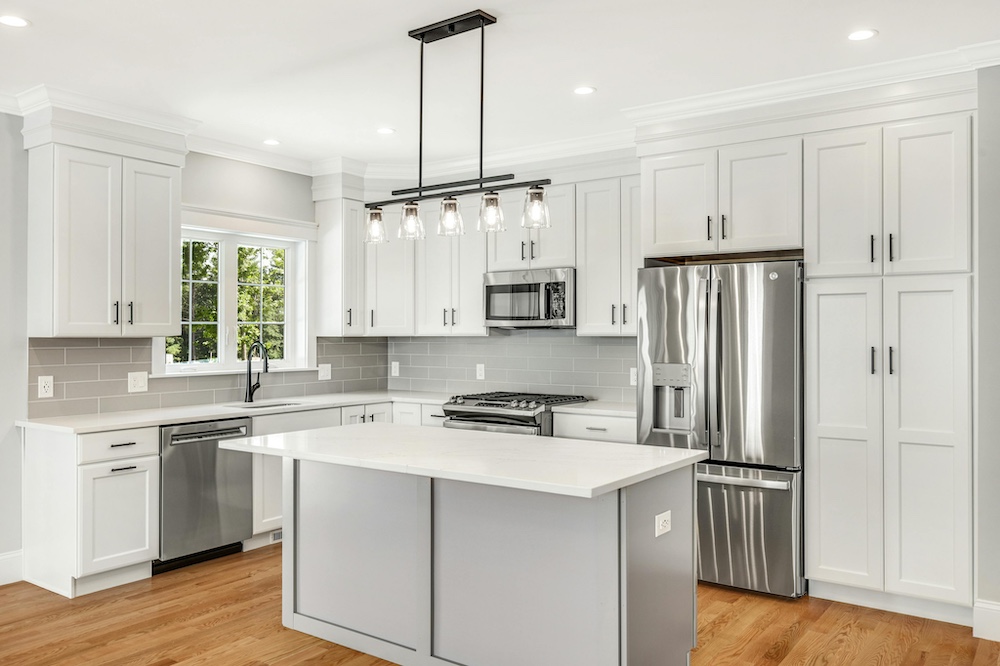
Pay attention to the quality of construction, the thoughtfulness of the site design and how well each project fits into its surrounding neighborhood. A strong portfolio should show a range of successful residential developments — from single-family homes to townhome communities — with a consistent standard of craftsmanship across every project.
Evaluate Their End-to-End Capabilities
Some developers may only have expertise in only one part of the process — maybe they’re great at acquiring land but don’t have a full depth of knowledge of the construction process.
Conversely another developer might be well versed in the construction aspects but not have a full understanding of what is required to obtain on the necessary approvals. The best land developers manage the full lifecycle of a project, from initial site evaluation and land acquisition through design, permitting, construction and final delivery.
This end-to-end capability matters because it creates a single point of accountability. When one team oversees every phase, there are fewer gaps, fewer miscommunications and far fewer surprises. Ask any prospective developer to walk you through their process from start to finish. If they can’t clearly explain how they handle each stage, that’s a red flag.
Prioritize Relationships Over Sales Pitches
A good developer will listen first to understand your goals, your timeline and your financial expectations before proposing a plan. They’re transparent about what a property can realistically support, even if that means scaling back an ambitious idea.
The best developers also maintain strong relationships within the communities where they work. They’ve earned the trust of local officials, neighbors and business owners because they’ve delivered quality projects that strengthen the areas around them. That kind of reputation doesn’t come from marketing — it comes from years of doing things the right way.
Ask the Right Questions
Before committing to a developer, make sure you get clear answers to the following:
- How many projects have you completed in this area? Local experience is nonnegotiable.
- Can I visit or see examples of your finished developments? A reputable developer will be proud to show their work.
- How do you handle permitting and municipal approvals? This is where projects succeed or fail.
- What is your timeline and process for a project like mine? Vague answers suggest a lack of experience.
- Will I be working with you directly, or will my project be handed off? The best firms offer hands-on, principal-level involvement.
- What is your financial strength? At the end of the day, the agreement only works if the check clears. Ask if where the funds are coming from. Is the financing easy to obtain? Does the developer not need financing? Is he currently over leveraged with other projects that could affect preforming on your project? Be wary if someone says they have investors. (help me flush this out)
Why Landowners in Massachusetts Call Joe Levine
When property owners across Massachusetts are ready to get serious about developing their land, they call Joe Levine at Northeast Site Development — and for good reason. Northeast Site Development is based in Acton and serves the surrounding towns, such as Groton, Harvard, Shirley, and Ayer.
Joe brings decades of hands-on experience to every project. When you work with Northeast Site Development, you work with Joe directly — from the initial site walk to the final walkthrough of a completed home.
Based in, Massachusetts, Joe has developed over 200,000 square feet of residential property across a portfolio that includes stand-alone single-family homes, single family subdivisions, duplexes and town house projects. Each development reflects the same core principles: meticulous attention to detail, respect for the surrounding community and a commitment to building homes that stand the test of time.
What sets Joe apart isn’t just his experience — it’s his approach. He takes the time to understand a landowner’s goals before proposing a plan. He knows the planning boards, conservation commissions and municipal processes, because he’s been navigating them successfully for years.
Whether your property is a vacant lot, an underused or a redevelopment opportunity, Joe Levin has the expertise in Acton, Harvard, Ayer, Littleton, Westford, and Shirley, and the track record to turn your land into something exceptional.
Ready to talk to a developer who does things the right way?
Contact Joe Levin at Northeast Site Development to start the conversation.